How to Promote Website on Google Search
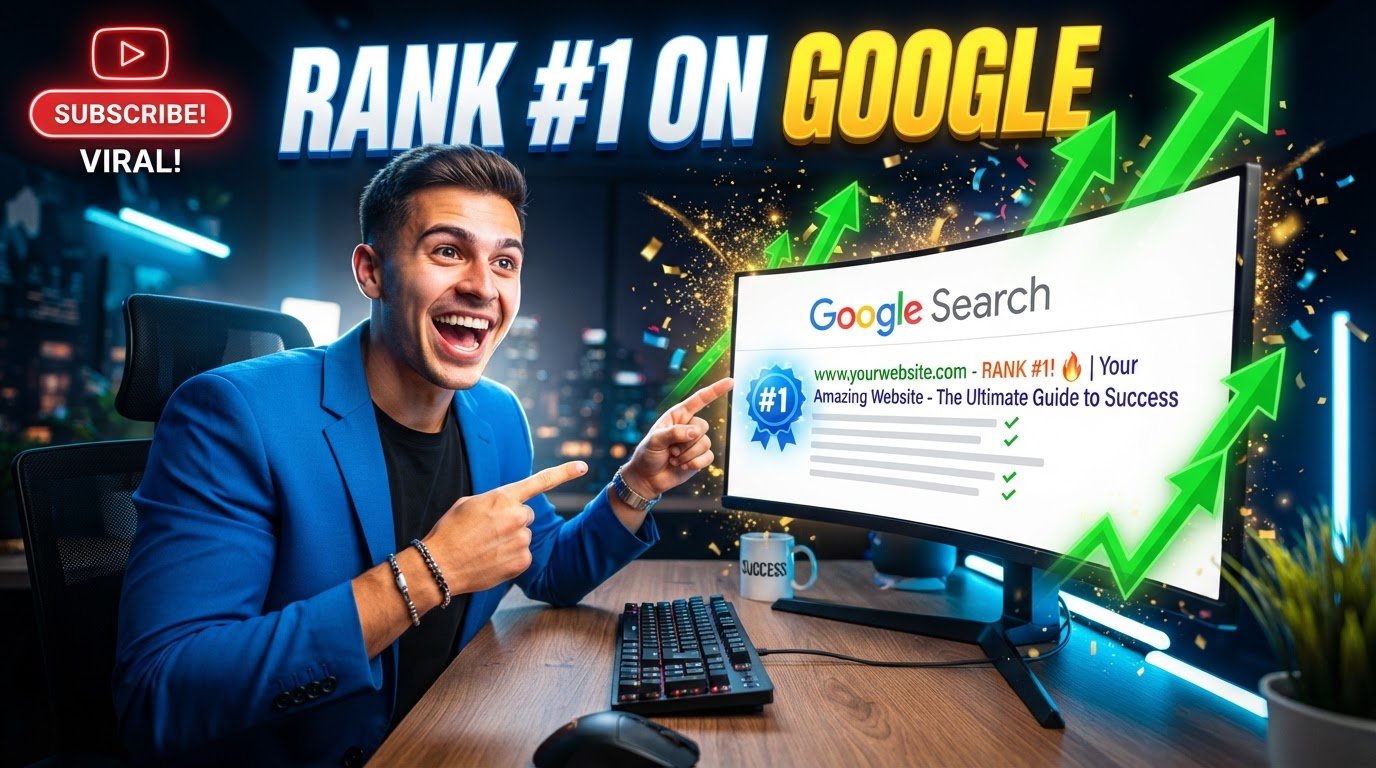
Promote website on Google Search effectively by combining search engine optimization (SEO), Google Ads campaigns, and consistent content marketing. SEO builds long-term organic authority, while Google Ads delivers immediate visibility. Most businesses that grow sustainably use both channels together, supported by strong on-page content and credible backlinks.
- How Google Search promotion works
- How to rank your website on Google
- How to advertise your website on Google Ads
- SEO vs Google Ads: which is better for website promotion
- How to promote your website with content marketing
- How local and global signals affect Google rankings
- Why Naveen Media helps you promote website on Google Search
- Frequently Asked Questions
How Google Search promotion works
Google Search displays two categories of results: paid ads at the very top and organic listings below them. Both drive high-intent traffic — people who are actively searching for exactly what you offer. Understanding how each channel operates is the essential first step to promote website on Google Search successfully.
Paid results appear almost instantly once a Google Ads campaign goes live. Organic results require months of work but cost nothing per click once earned. A well-planned promotion strategy combines both channels so you capture traffic at every stage of the buying journey.
Google's ranking systems evaluate over two hundred signals to decide which pages to show and in what order. Those signals fall into three broad buckets: relevance (does the page match the query?), authority (do other trusted sites link to it?), and experience (does it load fast and work well on mobile?). Meeting all three is what separates pages that rank from those that do not.
According to the YouTube Official Blog, video content embedded on web pages increasingly earns rich search placements — another reason brands combine written content with video promotion to dominate more Google real estate.
How to rank your website on Google
Ranking in Google's organic results depends on three core pillars: technical SEO, on-page content, and backlinks. Google's algorithm evaluates hundreds of signals, but these three consistently matter most for anyone trying to promote website on Google Search without spending on ads.
- Technical SEO: Ensure your site loads fast, is mobile-friendly, uses HTTPS, and has a clean URL structure. Use Google Search Console to identify crawl errors and indexing issues before they suppress your rankings.
- On-page optimisation: Research the exact keywords your audience types into Google. Place them naturally in your title tag, meta description, H1, and the first 100 words of body content — without stuffing.
- Quality content: Publish helpful, original content that fully answers a searcher's question. Thin, duplicated, or AI-spun content ranks poorly and erodes trust with Google's systems.
- Backlinks: Earn links from authoritative websites in your niche. Guest posts, digital PR, press mentions, and strategic partnerships all build domain authority over time.
- User experience signals: Low bounce rates and longer session durations signal to Google that visitors find your site genuinely valuable. Improve navigation, readability, and page speed to lift these metrics.
- Core Web Vitals: Google measures Largest Contentful Paint (LCP), Interaction to Next Paint (INP), and Cumulative Layout Shift (CLS). Sites that pass these thresholds consistently earn a rankings advantage.
Consistency is essential. Organic rankings rarely happen overnight, but a site that earns trust through useful content and clean technical setup will grow steadily over months. Set a realistic timeline of three to twelve months for meaningful organic traction.
How to advertise your website on Google Ads
Google Ads lets you bid on keywords so your website appears at the top of search results almost immediately. You pay only when someone clicks — this model is called pay-per-click (PPC) advertising. It is the fastest way to promote website on Google Search and reach buyers who are ready to act right now.
Follow these steps to launch your first Search campaign:
- Create a Google Ads account using the Google Ads getting-started guide and link it to your Google Analytics 4 property.
- Select "Search campaign" as your campaign type and choose a goal — website traffic, leads, or sales.
- Set a daily budget that reflects your overall marketing spend. Start conservatively and scale what works.
- Research and add relevant keywords. Use exact-match and phrase-match types to control spend and relevance.
- Write compelling ad copy: a strong headline (up to 15 variations), a clear value proposition, and a direct call to action in the description lines.
- Build a dedicated landing page that precisely matches your ad's promise. A tight ad-to-page match improves your Quality Score and lowers cost-per-click.
- Install conversion tracking via Google Tag Manager so you can measure real business outcomes, not just clicks.
Even a modest daily budget generates meaningful traffic when your keyword targeting and landing page are well-matched. Review performance weekly, pause underperforming keywords, and reallocate budget to your top converters.
For brands that also use video as a marketing channel, pairing Search campaigns with a YouTube video promotion strategy can extend reach across two of the world's largest search engines simultaneously.
SEO vs Google Ads: which is better for website promotion
The honest answer is that neither beats the other outright. They serve different goals at different timescales. The table below compares the key differences to help you decide how to balance your budget when you want to promote website on Google Search.
| Factor | SEO (Organic) | Google Ads (Paid) |
|---|---|---|
| Time to results | 3–12 months | Hours to days |
| Cost per click | Free after content investment | Paid per click |
| Traffic when you stop | Continues | Stops immediately |
| Best for | Long-term brand authority | Product launches, fast leads |
| Targeting precision | Keyword-based, broader reach | Keyword + demographic + location |
| Trust signals | High — users trust organic results | Lower — visible "Sponsored" label |
| Scalability | Compounds over time | Scales with budget instantly |
The most successful brands run Google Ads to generate immediate leads while simultaneously building organic rankings through SEO and content. This dual approach reduces risk, maximises visibility, and ensures your site is never invisible while you wait for organic traction.
If budget is limited, start with a tightly targeted Google Ads campaign on your most profitable keywords, then reinvest early revenue into long-form content that builds organic reach over time.
How to promote your website with content marketing
Content marketing is one of the highest-ROI methods to promote website on Google Search over the long term. Blog posts, how-to guides, case studies, and videos all create pages that can rank for dozens of related queries and continue driving traffic for years after publication.
- Write long-form, well-researched articles that target specific questions your audience types into Google. Aim for genuine depth — not word count for its own sake.
- Use structured data (schema markup) to qualify for rich snippets — featured answers, FAQ accordions, and star ratings that stand out in search results.
- Repurpose articles into short explainer videos and publish them on YouTube. Video content boosts both direct YouTube discovery and Google Search visibility, since Google regularly surfaces YouTube videos in organic results.
- Build a strong internal linking structure so each new article points to your most important service and product pages, spreading authority throughout your site.
- Promote each piece through email newsletters and social channels in the first 48 hours to generate early engagement signals that Google can observe.
- Update older articles with fresh data and expanded sections at least once a year. Google rewards freshness, especially in competitive or fast-moving niches.
If your business uses video as a content channel, pairing articles with a dedicated business promotion campaign amplifies reach across both YouTube and Google Search simultaneously. The two channels reinforce each other in ways that neither achieves alone.
Artists and musicians who publish performance or lyric videos benefit from a dedicated YouTube music promotion campaign alongside their website content strategy, helping Google Surface their pages for music-related searches.
How local and global signals affect Google rankings
Google personalises search results based on the searcher's location, language, and device. Understanding this is critical before you promote website on Google Search to a worldwide audience, because what ranks in one market may not rank in another.
How does Google decide which country to rank my website in?
Google uses several signals to assign geographic relevance to a website:
- Country-code top-level domain (ccTLD): A .co.uk domain signals the UK; a .de domain signals Germany.
- Google Search Console geotargeting: You can explicitly tell Google which country a site or subfolder targets.
- Hreflang tags: These HTML attributes tell Google which language and regional version of a page to serve to users in specific markets.
- Server location and CDN nodes: While less influential than before, server location still plays a minor role.
- Content language and local references: Pages written in Spanish with local addresses and phone numbers naturally target Spanish-speaking markets.
For brands targeting multiple countries, the most robust structure is a subdirectory approach (e.g., example.com/au/ for Australia) rather than separate domains. This keeps all domain authority consolidated while still signalling regional relevance to Google.
How do I promote my website on Google Search in multiple countries?
Expanding Google Search promotion internationally requires more than translation. Follow these steps:
- Conduct keyword research in the target language — direct translation of English keywords rarely matches local search behaviour.
- Create localised landing pages with region-specific examples, currency, and calls to action.
- Implement hreflang tags correctly across all localised pages to prevent duplicate-content penalties.
- Build backlinks from authoritative local media and directories in each target country.
- Run separate Google Ads campaigns per country with localised ad copy and bid adjustments for local competition levels.
A well-executed international strategy can multiply your organic traffic without increasing per-page content costs significantly. For video-heavy brands, combining global Search promotion with YouTube views and subscriber promotion gives a powerful multi-channel presence in every target market.
Why Naveen Media helps you promote website on Google Search
Naveen Media Promotion is a global digital media promotion agency that has helped 10,000+ clients reach genuine audiences through 100% organic Google Ads — never bots, never fake traffic. With 280M+ views delivered and a 99% campaign success rate, the team understands what it takes to build visibility that converts into real business results.
When you want to promote website on Google Search, working with an experienced promotion partner means your ad budget reaches real people — not inflated vanity metrics that look good on a dashboard but do nothing for your revenue.
- Real Google Ads infrastructure: Every campaign runs through official Google Ads channels, reaching genuine users who are actively searching for or watching content related to your business.
- Brand and business visibility: Campaigns are built to drive awareness for your website, product, or service across Google's entire network — Search, Display, and YouTube.
- Multi-platform reach: Naveen Media also offers YouTube views and subscriber promotion so your video content ranks and gets discovered alongside your website.
- No bots, no fake traffic: Every viewer and visitor is a real person. This protects your site's credibility and keeps your ad account in good standing with Google's policies.
- Transparent reporting: You receive honest campaign reporting that reflects actual performance — impressions, clicks, and engagement from real audiences.
- Global campaign capability: Campaigns can be structured for a single local market or scaled across multiple countries, depending on your growth goals.
Campaign investment depends on your goals and the competitive landscape of your niche. To discuss the right approach for your website, contact our video promotion agency and the team will map out a strategy tailored to your budget and timeline.
For more in-depth guides on growing your online presence, visit our YouTube promotion guides blog, where we cover SEO, Google Ads, video marketing, and beyond.
Frequently asked questions
How do I get my website to show up on Google Search?
Submit your sitemap to Google Search Console, optimise every page for a specific keyword, earn backlinks from authoritative sites, and run Google Ads to appear immediately while your organic rankings develop. Ensure your site is mobile-friendly and passes Core Web Vitals checks, as these are confirmed Google ranking factors in 2026.
How much does it cost to promote a website on Google Search?
The cost to promote website on Google Search varies widely based on your industry, keyword competition, and campaign goals. Google Ads budgets can start small and scale significantly for competitive niches. SEO requires time and content investment rather than per-click spend. For a tailored estimate, reach the Naveen Media team on WhatsApp +91 88106 09134 or via the contact page.
How long does it take for Google to rank my website?
Most websites take three to twelve months to appear on the first page of Google organic results, depending on competition, content quality, and backlink velocity. Google Ads campaigns, by contrast, can generate traffic within hours of going live. Using both simultaneously means you never have zero visibility while organic authority builds.
Is it safe to promote my website through Google Ads?
Yes — Google Ads is completely safe because it runs through Google's own official advertising platform. Provided your landing pages comply with Google's advertising policies, running paid campaigns carries no risk to your site's organic rankings or its standing in Search Console. Always use genuine, bot-free traffic sources to protect your account health.
What is the difference between SEO and Google Ads for website promotion?
SEO (search engine optimisation) earns free organic traffic over months by improving your content, technical setup, and backlink profile, while Google Ads delivers paid traffic almost instantly by bidding on keywords. SEO traffic persists even when you stop investing; Google Ads traffic stops the moment your budget runs out. The smartest strategy to promote website on Google Search combines both channels for maximum reach and resilience.
Ready to promote website on Google Search and reach real audiences worldwide? Explore Naveen Media's business promotion services and discover how a professionally managed campaign can put your brand in front of the people who matter most in 2026. Start the conversation today on WhatsApp +91 88106 09134 or through our contact page.
Naveen Media Promotion is a YouTube video promotion agency based in New Delhi. With 8+ years running Google Ads campaigns for YouTube creators and 280M+ views delivered across 10,000+ clients, our guides are written from direct campaign experience — not theory.
Our Promotion Services
Related Articles



0 Comments
Be the first to comment.